Why Timing is Your Best Friend: A Guide for Chicago Landlords and Property Owners on Residential Leases in 2026
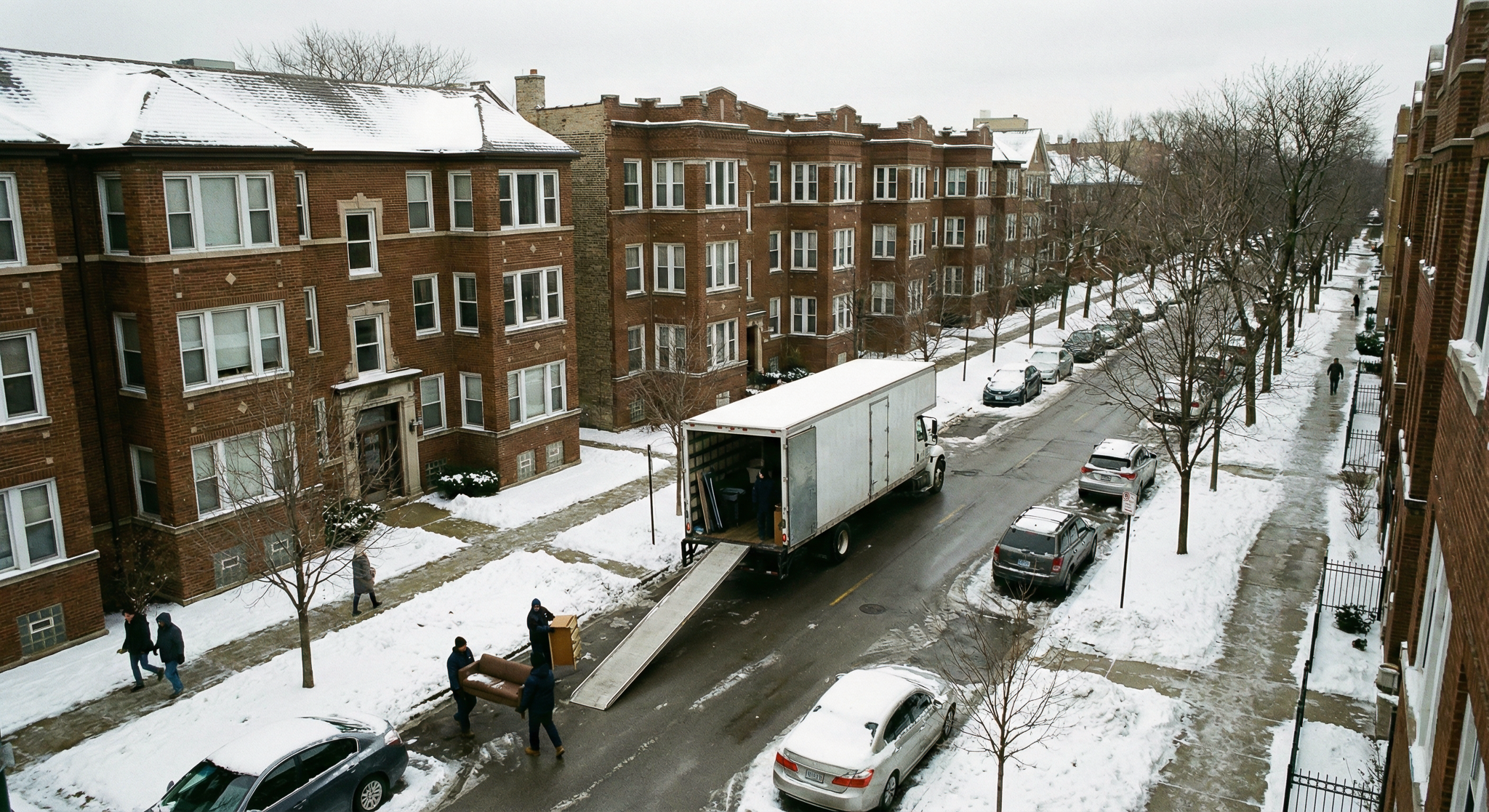
If you’ve owned property in Chicago for more than a few months, you already know that this city doesn’t play by the same rules as the suburbs or other big hubs. We have a specific rhythm here. It’s a city of neighborhoods, three-flats, and very unpredictable weather. If you aren’t in sync with that rhythm, you’re likely leaving a lot of money on the table every single year.
As property managers, we don’t just look at a lease as a piece of paper that says someone is paying rent. We see it as a tool for protecting your investment’s value. A vacancy in a June heatwave is an asset, but a vacancy in a January freeze is a liability. Here’s how we help our owners navigate the "Chicago cycle" to make sure their portfolios stay profitable and protected.
Why the "Leasing Season" is non-negotiable
In Chicago, the "moving season" is almost entirely dictated by two things: the weather and the school year. Moving during a blizzard is a rite of passage that nobody actually wants to repeat. Because of that, the demand for rentals absolutely sky-rockets between March and July.
When we talk about "The Goal" we’re talking about making sure your leases end during these months. Why? Because when more people are looking, you have the leverage. You can be more selective with who you place in your unit, and you can usually command higher rents because the competition is so fierce.
But here’s the problem many owners face. If you have a unit that opens up in October or November, the instinct is to just sign a standard 12-month lease and move on. If you do that, you’re just setting yourself up for another vacancy next October. It’s a cycle that’s hard to break unless you’re intentional about it.
Instead, we recommend a "bridge lease." If you’re filling a spot in the fall, try an 18-month lease. This "resets" the clock and pushes your next vacancy into that prime spring window. You could also try a shorter 6-month or 7-month lease if you’re okay with the turnover, but the long-term goal is always to get away from those winter expiration dates. It’s about playing the long game with your property.
Managing the "Fair Notice" hurdle
One thing that often catches DIY landlords off guard is the Chicago Fair Notice Ordinance. It’s a rule that says the longer a tenant has lived in your building, the more notice you have to give them before you raise the rent or end their lease.

If a tenant has lived there for more than three years, you have to give them 120 days of notice. That’s four full months. If you don’t plan ahead, you might miss your window to raise the rent or find a new tenant for the spring season. This is where having a professional team helps: we keep track of these dates so you don't have to worry about a legal mistake that keeps your rent below market value for another year.
The strategy of the "Itemized Lease"
We’ve found that being transparent and clear right from the start prevents almost all the common disputes we see at the end of a lease. One of the best ways to do this is to break out the "Base Rent" from the extra costs of living in the building. Instead of just giving your tenant one big number that covers everything, we show them exactly what they’re paying for.
Think about listing items like:
Pet Rent: Usually a small monthly fee like $25 or $50 for each animal.
Utility Bundles: This clearly identifies costs for water or trash.
Technology & Resident Benefits: This is a big one for us in 2026. We can include things like credit building (or rebuilding) for the tenant, identity protection, or even regular HVAC filter delivery.
Here’s why this matters for your bottom line: If the city raises property taxes or utility rates climb, you can adjust those specific fees when it’s time to renew. It’s a lot easier to explain a small fee adjustment to a good tenant than it is to justify a massive jump in their base rent. It keeps everyone on the same page, protects your margins, and keeps your income steady even when the city's costs go up.
Staying compliant in the 2026 legal landscape
Chicago has some of the strictest rental laws in the country, and they seem to change every year. If you aren't staying on top of the latest requirements, you’re opening yourself up to a lot of risk.
For example, as of January 1, 2026, there’s a new law called the "Summary of Rights for Safer Homes Act." This law requires that a specific summary be the very first page of any written lease or renewal in Illinois. If you’re using an old lease template from two years ago, you're already out of compliance.
Then there’s the classic RLTO (Chicago Residential Landlord and Tenant Ordinance). You still have to attach that summary to every lease, but you also have to be incredibly careful with security deposits. For 2026, the city has set the interest rate for security deposits at just 0.01%. It seems small, but the penalties for not paying that interest, or for not giving a proper receipt, are massive. You could end up owing the tenant double their deposit plus their attorney fees.
That’s why we almost always suggest a non-refundable "Move-In Fee" instead of a deposit. It’s cleaner, safer, and much easier to manage. It gives you the funds you need to prep the unit for the next person without the legal minefield that comes with holding a tenant's money.
Professional partnership and the Chicago flow
Managing a property in this city isn't really a DIY job anymore. Between the changing laws, the seasonal cycles, and the constant need for maintenance, it’s a full-time commitment. Our team has deep roots in the Chicago market, and we handle everything from incoming referrals to local tenant screenings with a level of precision you just can't get from a generic app.
We see a lot of people moving into the city from out of state, and we handle a high volume of referral traffic. That means we have access to a pool of qualified renters that most individual owners never see. We use that flow to keep our owners’ units filled with people who actually care about the space they live in.
If your leases aren't ending at the right time, or if you aren't sure if your current lease is even legal under the new 2026 rules, we should talk. We can look at your current portfolio and figure out a plan to get everything back on track. You can reach out to Andrew Dorazio (our managing partner) at info@bcgrealestategroup.com or andrew@doraziorealestate.com to get the conversation started.